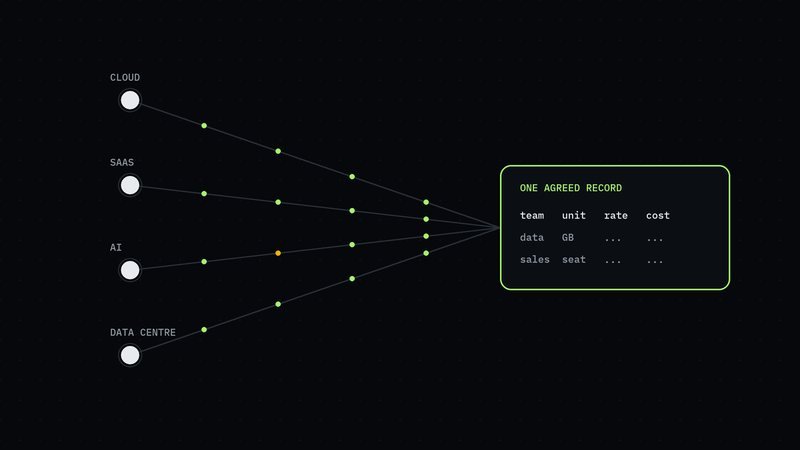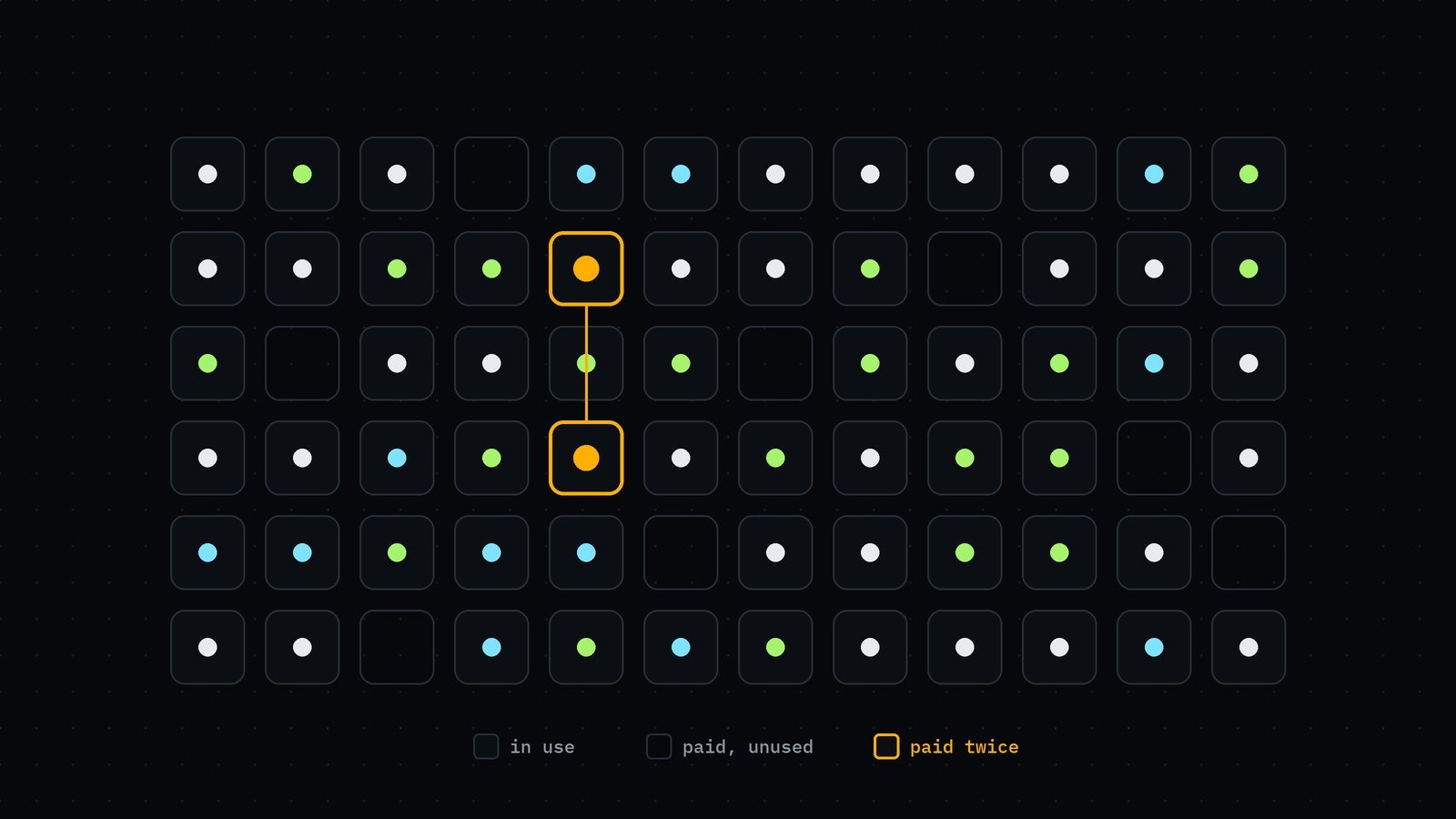
Software subscriptions arrive from every direction. Finance sees some invoices. Company cards and expense claims hold others. IT sees the tools people sign in to, but not always who's paying. Teams know what they depend on, but not who owns the contract or when it renews. Put together, the result is familiar: you're paying for software, and nobody can show you the full list.
Why the list is always longer than you expect
Buying software has become easy, and keeping track of it hasn't. A team needs a design tool, a sales add-on or a reporting app, signs up, puts it on a card and gets on with the work. Free trials quietly become paid plans. People leave and their subscriptions keep running. And AI has added a new layer: AI features arrive inside software you already pay for, sometimes as a price rise, sometimes as an add-on, sometimes as a separate plan.
It isn't only a cost question. Every subscription holds some of your data. A tool missing from the list is a tool nobody has checked for what it stores or who can reach it.
Build the list from four sources
No single report finds every subscription. Combine four sources, and accept that each one is incomplete on its own.
- The finance ledger. Search the accounts for software suppliers, app stores, marketplace payments and anything that recurs. Group payments that belong to the same tool, because one product often appears under several names.
- Company cards and expenses. This is where most of the missing subscriptions turn up: browser add-ons, AI tools, design and developer tools, team apps. Ask each cardholder what the charge is for. Where the answer is unclear, mark it for follow-up rather than guessing.
- Single sign-on records. If staff sign in to tools with their work account, your identity system lists which apps are connected and who uses them. It's good evidence of use, but not proof of the whole picture: some tools use separate logins or shared accounts.
- The teams themselves. This is the step most inventories skip, and it's often where the truth appears. Ask each team what they use, what they pay for directly, and what they couldn't work without. Make it clear the aim is a complete list with owners, not a hunt for things to cancel.
When the sources disagree, keep the disagreement visible. A tool that appears in expenses but not in sign-on records, or the other way round, is exactly the kind of thing the list exists to catch.
Owned is not the same as used
Once you have the list, separate what you own from what's used. A licence is the right for a person or system to use the software; use is evidence that the right is actually being exercised. The international standard for this, ISO/IEC 19770 software asset management, comes down to keeping a reliable record of what you have, what you're entitled to, and what's really in use.
For each subscription, write down how it's charged in plain words (per user, per team, per workspace, by usage, or bundled into something else) and any sign of use you can get: active seats, recent logins, or simply the team's word that it's needed. Gaps are fine at this stage. Marking them is the point.
Renewal dates are where the savings are decided
Most decisions about a subscription can only be made at renewal. Find it a week after it renews and you may be paying for another year. Find it two months before and you have choices: drop unused seats, change the plan, merge two teams onto one tool, move the ownership, check its security, or confirm it's worth keeping.
So build a renewal calendar as you go: the date, the supplier, the owner, the notice period if you know it, and the decision needed. Where the date is unknown, give someone the job of finding it. An unknown renewal date is a decision that gets made for you.
Keep the list alive
A one-off clear-out helps, then decays. New tools appear, plans change, AI features get switched on, people leave. Two habits stop the list going stale:
- One owner per subscription, who can say why it exists, who uses it, what data it holds and what should happen at renewal.
- A short monthly check: new card and ledger charges added, leavers' seats removed, and the next quarter's renewals reviewed.
This is increasingly part of the same discipline as cloud and AI spend. In the FinOps Foundation's 2026 survey, 90% of FinOps teams said they manage SaaS spend or plan to 1. Most respondents work in larger organisations, so don't copy their operating model wholesale. The lesson travels, though: subscriptions deserve the same owners, units and monthly attention as every other technology cost.
Sources
- FinOps Foundation, State of FinOps 2026, data.finops.org, 1,192 respondents. Read 04/10/2026.